Salento Colombia was supposed to be a tidy week: coffee farms, the wax palms of the Cocora Valley, and a travel buddy I had only met through a screen. Instead, it rained, my backpack strap snapped in the middle of the town’s most photographed street, and a stranger handed me her umbrella like it was the most obvious thing in the world. That week is still my favorite trip.
A Wander community story, as told by Maya.
How Kofi and I matched
I had a week off, a cheap flight to Bogotá, and a vague plan to see the coffee region. I set my dates on Wander, listed my interests honestly (early mornings, long walks, strong coffee, no nightclubs), and a message arrived the next day.
“Hi Maya. I’m Kofi from Toronto. I’ll be in Salento the same week, and my only firm plan is to drink coffee where it grows. Want to compare notes?”
We video-called twice, agreed to split a guesthouse room with two beds, and promised each other one rule: if either of us wanted a day alone, we would just say so. I had read how Sarah met her travel buddy on Wander before I booked, and that rule came straight from her story.
The strap that gave up on Calle Real
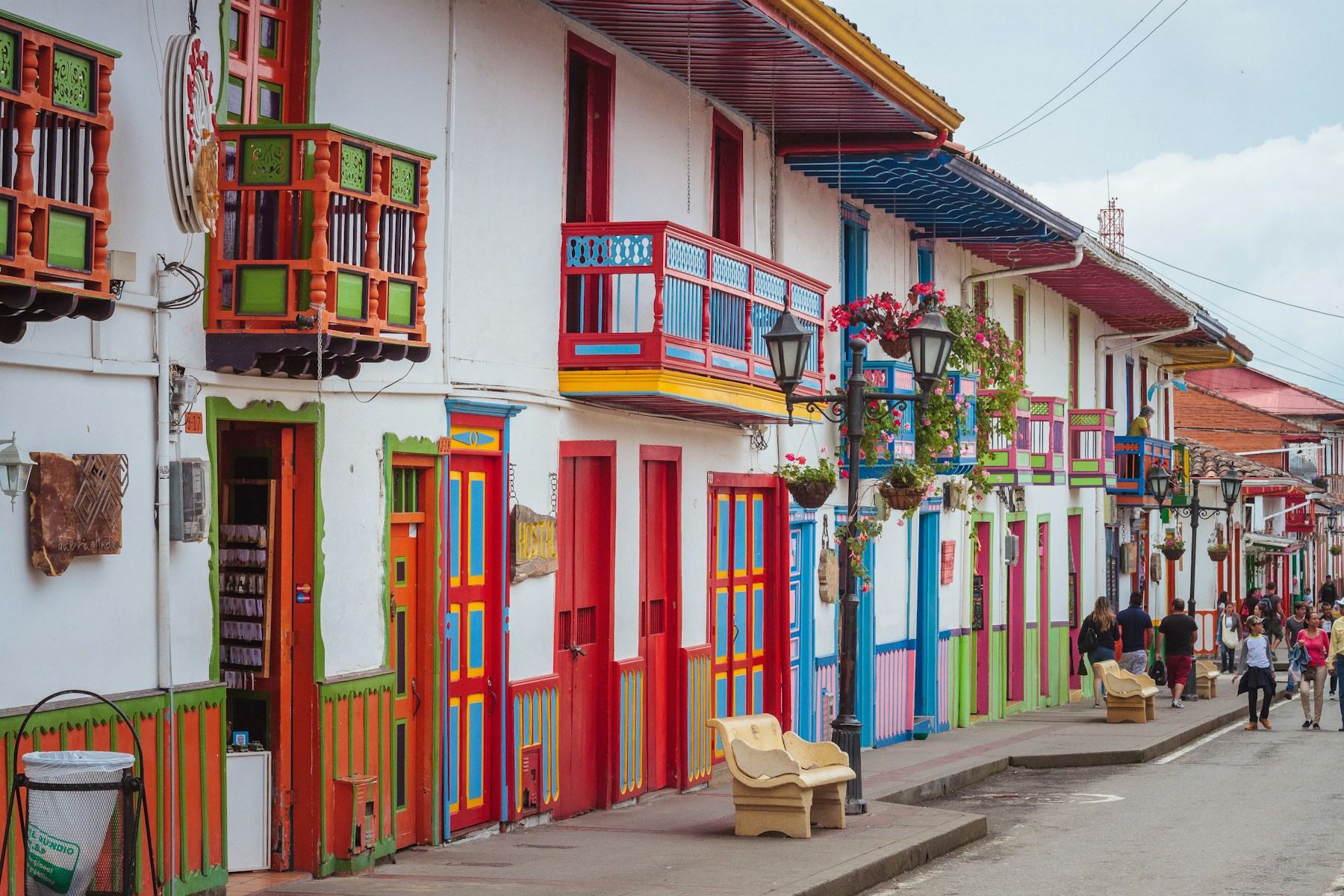
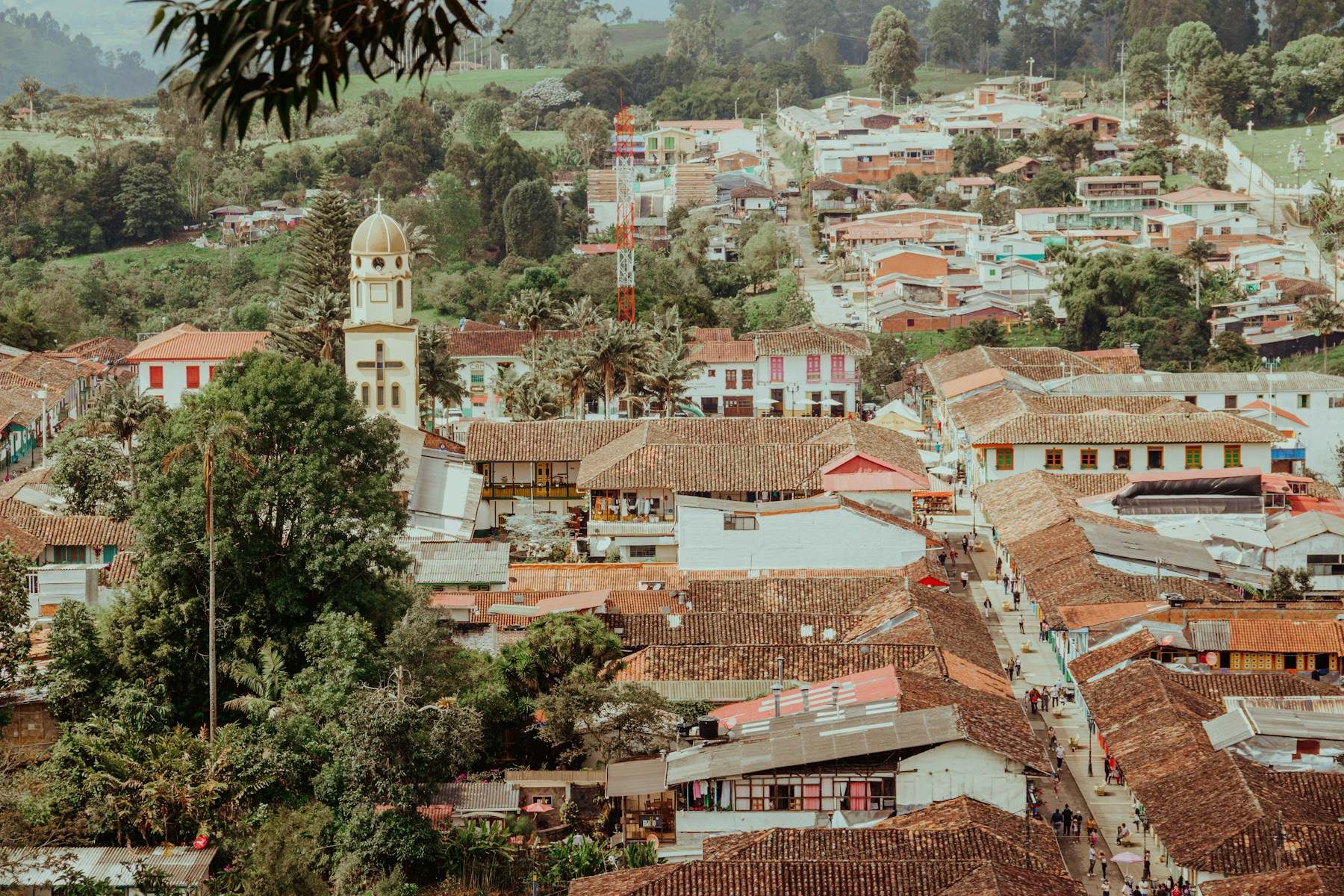
We met at the bus stop in Salento on a gray afternoon. Kofi had brought me a bag of maple candy from Toronto, which felt like the right start. We were halfway up Calle Real, the street of painted balconies and doors in every color, when the rain arrived all at once.
That was when my backpack strap tore clean off. The bag swung down, hit the wet stone, and burst open. My notebook, my socks, and a very optimistic sun hat went rolling toward the gutter. Kofi chased the hat.
A woman in a green apron stepped out of a craft shop, took one look at us, and opened a big black umbrella over my scattered belongings. Her name was Doña Rocío. She waved us inside, sat me on a stool between woven baskets, and inspected the strap like a doctor reading an X-ray.
“Álvaro,” she called toward the back. Her husband, Don Álvaro, came out wiping his hands on a rag. He worked leather, mostly belts and saddle pieces, and he stitched my strap back on with thick waxed thread while Rocío poured us each a tinto, the small black coffee people drink here all day. When I asked what I owed, Don Álvaro just tapped the seam and said it would outlive the bag.
Then Rocío pressed the umbrella into my hands. “Bring it back when the sun comes,” she said. It did not come for three days.
Plans fall apart in the rain. People, it turns out, show up in it.
A borrowed umbrella and a jeep to Cocora
Rocío’s nephew Fabián drove one of the old Willys jeeps that wait in the main plaza to carry people out to the Cocora Valley. The next morning he waved us onto the back step, umbrella and all, and we rode standing up, holding the rail as the road dipped toward the river.
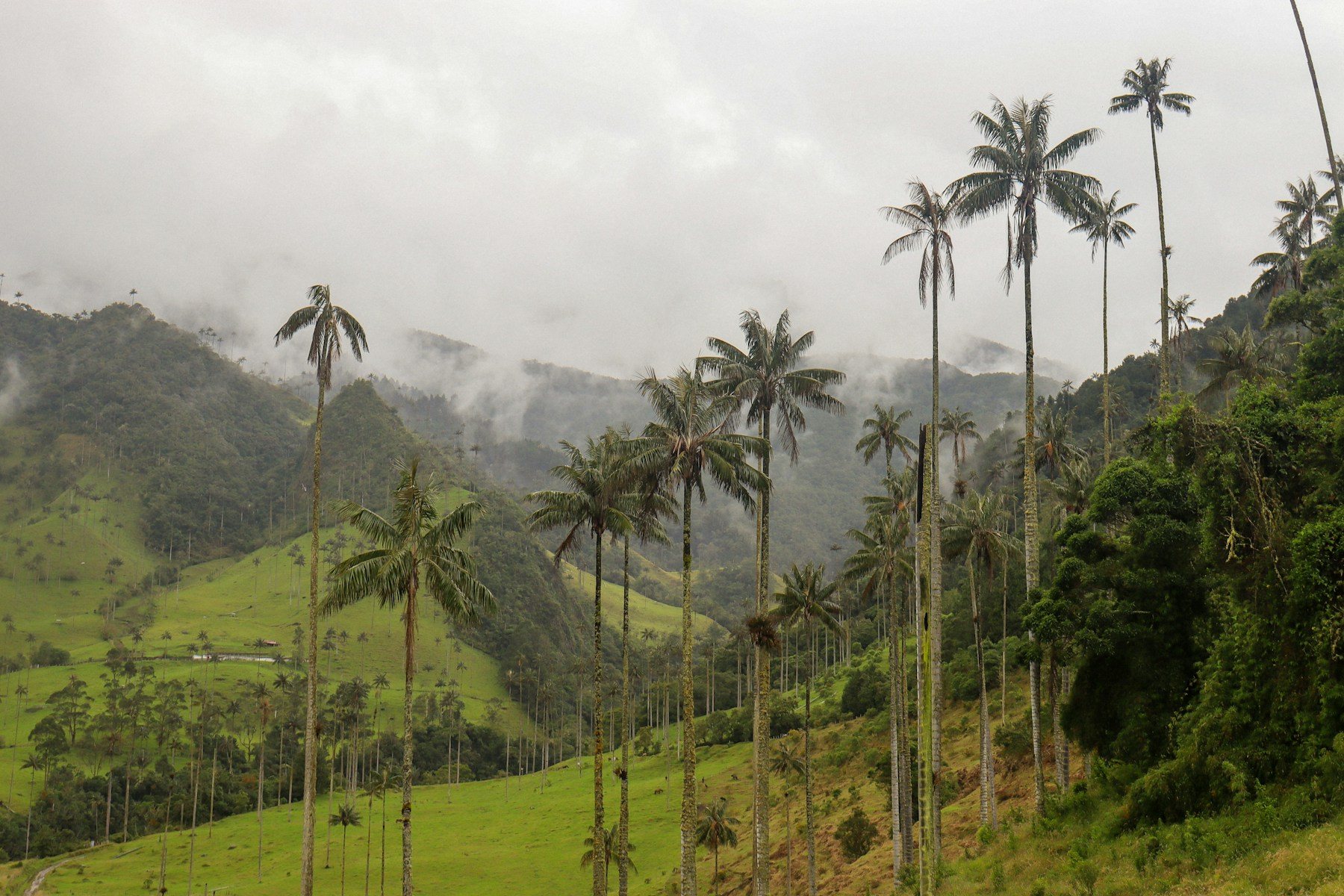
The valley was wrapped in cloud. Then the mist lifted for about ten minutes and there they were: the Quindío wax palms, Colombia’s national tree, impossibly thin and impossibly tall, rising from green pasture like someone had drawn them with a ruler. Kofi stopped talking, which I would learn is the highest compliment he gives.
We had our first disagreement on that trail. I wanted the full loop; Kofi’s knees wanted the short walk to the palms and back. We did the short walk, then split up for the afternoon, exactly as we had promised. I hiked on alone through the mud; he found a cafe and a dog that adopted him. At dinner, over trout with patacones, we compared notes and agreed we had both picked right.
Dawn picking on a coffee farm
On our fourth morning, Fabián drove us to his godfather’s small farm in the hills outside town. Don Hernán and his wife, Doña Marleny, grow coffee on slopes so steep I held onto the plants to stay upright. They handed us each a basket tied at the waist and showed us the one rule that matters: pick only the deep red cherries and leave the green ones for later.
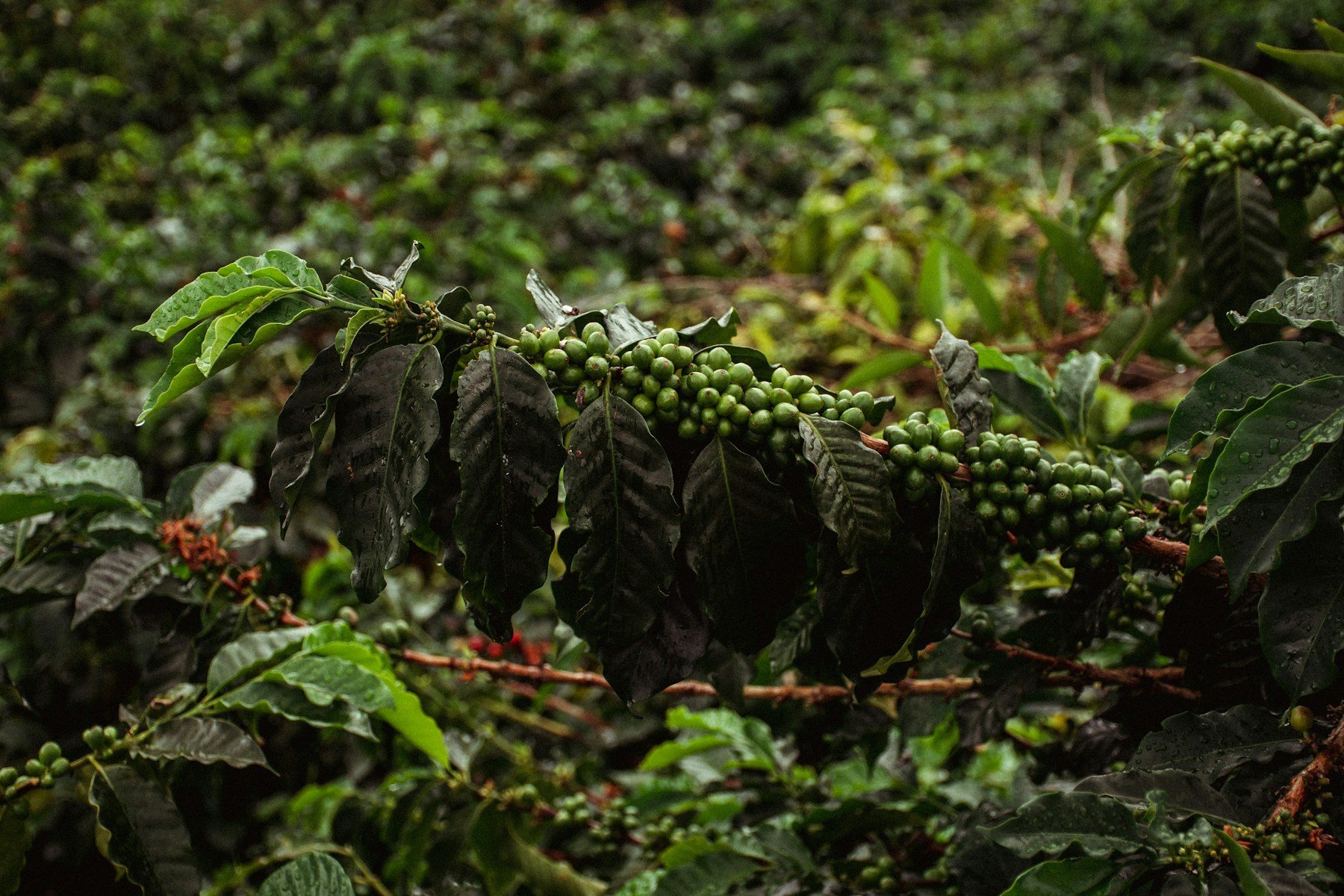
We were slow and bad at it. Don Hernán filled his basket in the time it took us to fill a corner of ours, and he never once made us feel silly. Afterward, Doña Marleny walked us through washing, drying, and roasting, then brewed a pot from beans grown a few rows from where we sat. It tasted like the morning.
It reminded me of the long table in Svaneti, Georgia and the spare room in Berat, Albania I had read about on this blog: the best parts of a trip so often begin where the plan breaks.
Planning a trip to Salento Colombia
Salento sits in Quindío, part of the Coffee Cultural Landscape of Colombia, which UNESCO added to its World Heritage list in 2011. Give it at least three full days.
Getting there
Most travelers come by bus from Armenia, about an hour away, or from Pereira, a little farther.
Cocora Valley
Willys jeeps leave from the main plaza for the valley entrance throughout the day. The full loop is a long, muddy day hike; the short walk to the palm viewpoints is easy. Wear real shoes and start early, because clouds often roll in by afternoon.
Coffee farms and Calle Real
Several farms near town offer tours, and some family farms welcome guests at harvest time. Ask your guesthouse who they know. In town, climb the steps at the end of Calle Real to the Alto de la Cruz viewpoint for rooftops and green hills.
What to pack
Rain gear, a warm layer for cool evenings, and a bag with straps you trust. This guide to packing light for a month-long trip helped me. Carry Colombian pesos for jeeps, small cafes, and farm visits.
What a broken strap taught us
On our last afternoon, the sun finally came out. I walked the umbrella back to Rocío’s shop, and she laughed and told me to keep it for the next rainy town. I didn’t. I left it by her door for the next soaked stranger, which felt more like the point.
Kofi and I still trade photos of the coffee we brew at home, his in Toronto and mine in Chicago, and we are planning a second trip. Matching on an app got us to the same bus stop. A torn strap, a borrowed umbrella, and a few generous people turned two strangers into friends.
Frequently asked questions
How many days do you need in Salento, Colombia?
Three full days lets you walk Calle Real and the viewpoint, spend a day in the Cocora Valley, and visit a coffee farm without rushing. Add a day or two if you want a side trip to nearby Filandia or simply a slower pace when the rain sets in.
How do you get to Salento from Armenia or Pereira?
Buses run to Salento from the main bus terminals in Armenia and Pereira. The ride from Armenia takes about an hour; from Pereira it is a little longer. Schedules change, so confirm departure times locally the day before you travel.
How do you get to the Cocora Valley from Salento?
Willys jeeps leave from Salento’s main plaza and drop you near the valley entrance. Go early, when skies are often clearer, and bring cash for the jeep and trail fees. Wear sturdy shoes, because the paths can be very muddy after rain.
Want someone to share the jeep to Cocora? Find a travel buddy who matches your dates and pace on Wander.
Keep reading
- First time traveling solo? Here’s what I wish I knew: for the part of the trip before your travel buddy arrives
- Hidden gems of Southeast Asia: 10 places most tourists miss: more slow places where a missed plan becomes the story
- Portugal’s Alentejo: wine, cork, and endless horizons: another rural region that rewards long lunches and good company
Travel with Wander
Don’t go alone. Match with travelers who share your dates, pace, and places before you fly.