Yes, you can still travel Europe on a budget. Despite what Instagram influencers in luxury hotels might suggest, budget travel in Europe is alive and well. I spent three months traveling through 12 countries on about $50 a day on average, an average pulled down by cheaper Central and Eastern European legs.
I know that because I wrote down every single thing I spent in a little green notebook I bought for €2 on my first morning. Before the breakdown, here are seven notebook highlights from a 12-country route, the entries that taught me the most.
The green notebook
My grandmother kept a household ledger for fifty years. Every loaf of bread, every bus ticket, every birthday card, written down in neat pencil. When I told her I was going to travel Europe for three months on my savings, she didn’t give me advice. She gave me a pencil and said, “Write it down. Money you can see is money you can keep.”
So I did.
Day 1, Amsterdam. Spent: $94
“Hostel $48. Canal-side lunch $22 (mistake). Stroopwafel $3. Museum $25. Already over. Panic.”
My first day was a disaster. I’d chosen the most expensive city on my whole route to start in, eaten lunch at the first restaurant I saw, and paid full price for everything. I went to bed in a 12-bed dorm doing frantic arithmetic on my phone calculator.
Day 6, Berlin. Spent: $31
“Hostel $19. Bakery breakfast $3. Free walking tour, tipped $8. Döner $5. Walked 22 km. Best day yet.”
Berlin is where it clicked. The free walking tour guide, a theater student named Jonas, spent three hours showing us the city’s history and told us exactly where locals eat. That döner kebab, eaten on a curb in Kreuzberg, was one of the best meals of the trip. I started to understand that the cheap version of a city is often the more interesting one.
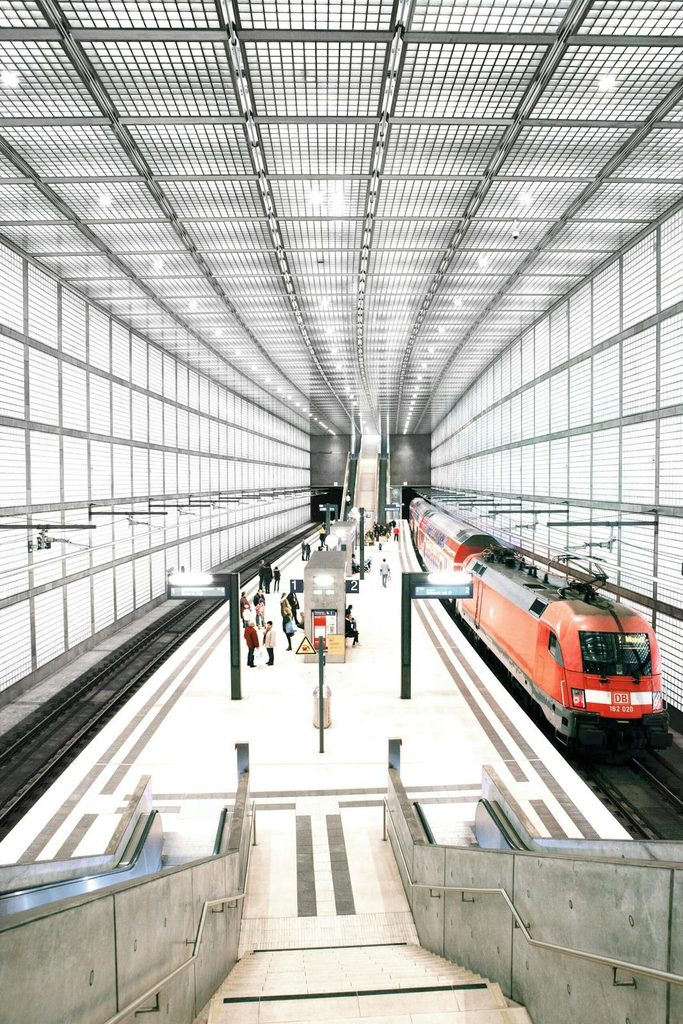
Day 19, Kraków. Spent: $27
“Guesthouse $16. Milk bar lunch $5. Zapiekanka $3. Bus $1. Gave Marek’s mum flowers $2.”
In Kraków I stayed in a guesthouse run by a young guy named Marek and his mother, who did not speak English but communicated entirely through food. She fed me pierogi on my first night and refused payment. On my last day I bought her flowers from the market. She cried, and then she packed me a lunch for the train.
I ate most of my meals in Kraków at a bar mleczny, a “milk bar.” They’re old-fashioned canteens serving home-style Polish food at prices that seem impossible. A full plate of soup, potatoes and cabbage for less than a coffee back home.
Day 33, Budapest. Spent: $58
“Hostel $17. Market lunch $6. Thermal bath $28 (worth it, worth it, worth it). Tram $2. Langos $5.”
Some days I went over budget on purpose. Soaking in a steaming outdoor thermal pool on a chilly autumn evening, watching old men play chess on floating boards, I didn’t regret a single forint.
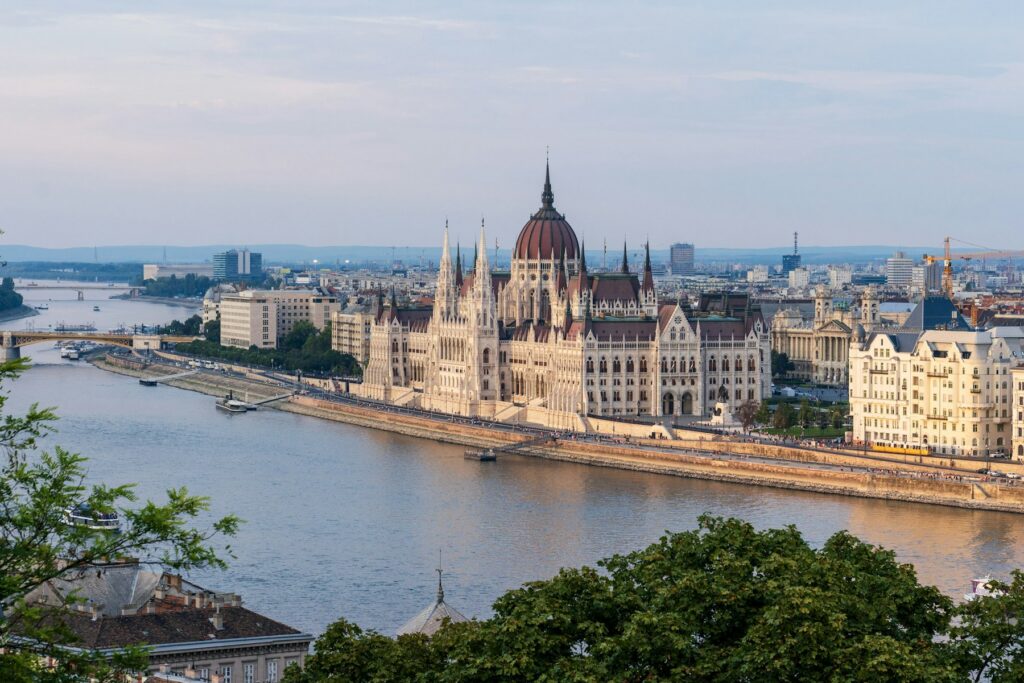
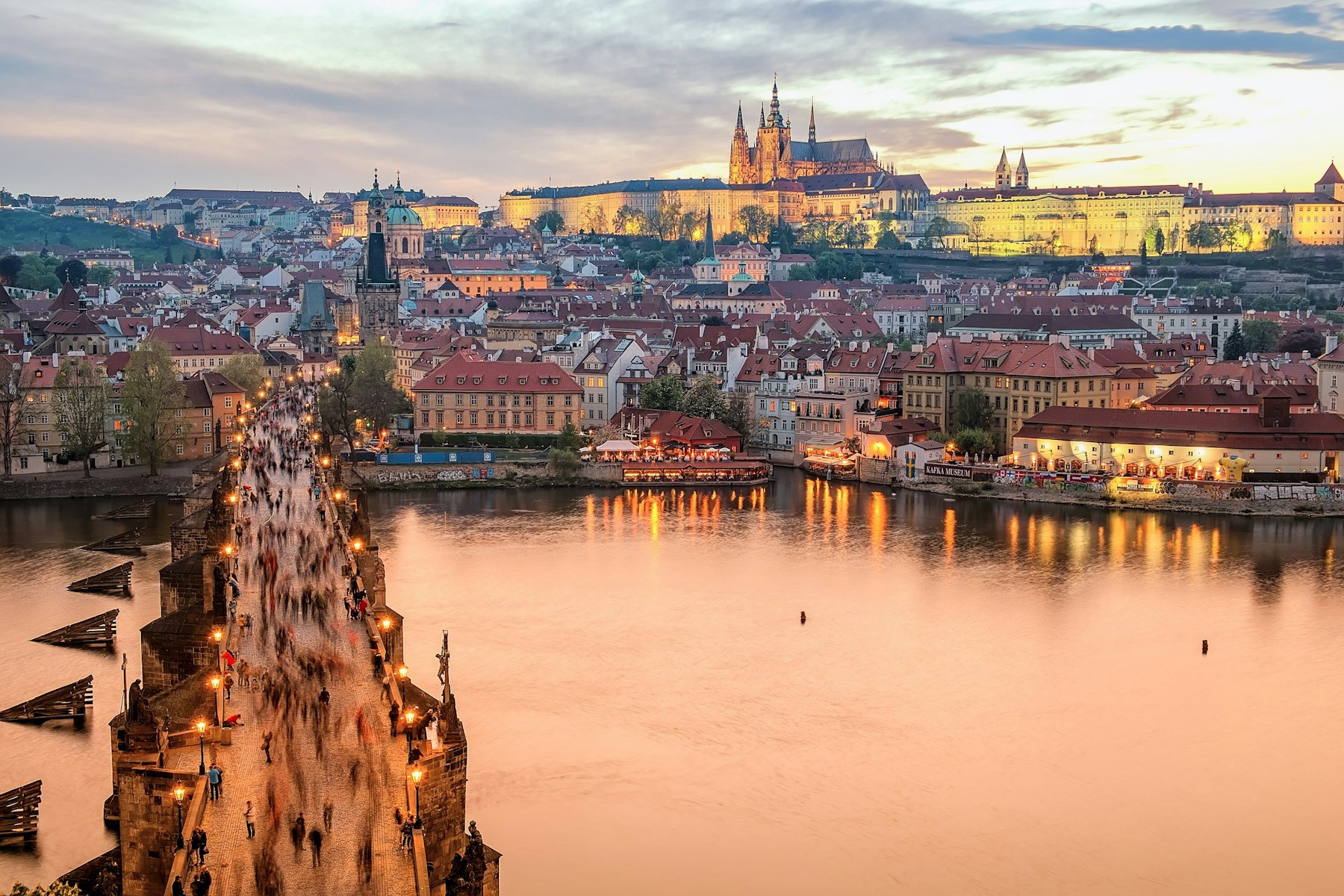
Day 47, Prague. Spent: $35
“Hostel $20. Supermarket picnic $7. Castle grounds (free). Charles Bridge at sunrise (free). Concert ticket $8.”
I walked across Charles Bridge at 6 a.m., when it was empty except for a photographer and a man walking a very fat dachshund. The same bridge at noon is wall-to-wall with people. Sunrise costs nothing and it’s the best show in every city.
Day 71, Ljubljana. Spent: $44
“Hostel $24. Bread, cheese, tomatoes, peaches $8. Bike rental $8. Ice cream $4. Sat by the river for 3 hours, $0.”
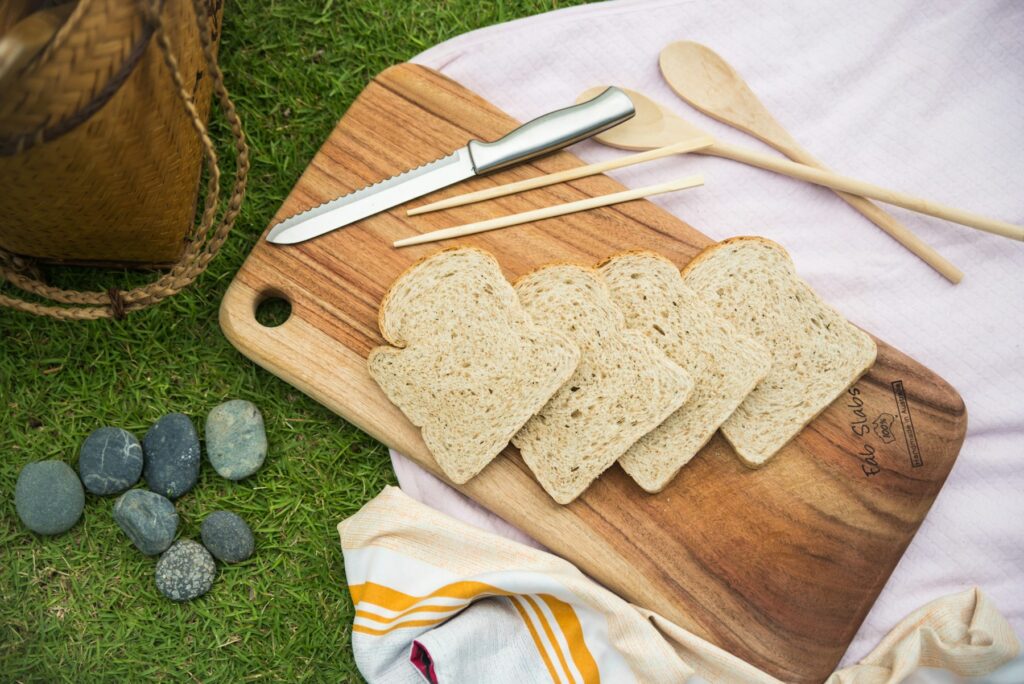
By this point I had a routine. Breakfast was included at the hostel or bought from a bakery. Lunch was a picnic from the supermarket, eaten somewhere beautiful. Dinner was one proper meal out, usually somewhere a local had recommended. Ljubljana’s riverside, with its little bridges and willow trees, might be the best free picnic spot in Europe.
Day 90, Lisbon. Total average: $49.60
“Last day. Added it all up three times. $49.60 a day. Grandma was right.”
I called her from a viewpoint overlooking the river and read her the number. Lisbon was my last expensive-city stop; if you want Portugal’s slower inland side after the capital, Portugal’s Alentejo is the detour I’d take next. She made me read the whole notebook to her over the following weeks, one country at a time, like a serialized radio drama. She asked about Marek’s mother every time.
The daily budget breakdown
Here’s how that roughly $50 a day averaged out across the full trip, with cheaper Central and Eastern legs doing much of the work.
- Accommodation: $20-25 (hostels, guesthouses, occasional Airbnb)
- Food: $15-18 (groceries + one meal out)
- Transport: $5-7 (averaged across travel days)
- Activities: $5-10 (free walking tours, museums)
Where to splurge, where to save
The trick is knowing which experiences are worth paying for and which aren’t. I’d rather eat grocery store bread for a week to afford that cooking class in Italy.
Traveling this tightly is easier when you pack light for a month-long trip and aren’t paying baggage fees on every hop.
Budget travel isn’t about deprivation. It’s about intentional spending on what matters most to you.
Save on
- Expensive cities. Balance Western Europe with Central and Eastern Europe. Two days in Amsterdam can cost as much as a week in parts of Poland or the Balkans.
- Lunches. Make lunch your picnic meal and dinner your restaurant meal, or the other way round where lunch menus are cheap.
- Sightseeing. Free walking tours (tip what you can), free museum days, viewpoints, parks, and churches.
- Transport. Book trains early, take overnight buses to save a night’s accommodation, and walk everywhere you can.
Splurge on
- The one experience you’ll remember for life in each country
- A comfortable bed every week or so, to recharge
- Local guides and family-run businesses, where your money matters most
Write it down
Whatever your budget, track it. You don’t need an app. A notebook works. You’ll spend less, but more importantly, you’ll end up with a diary of your trip told through the little things: the flowers, the döner, the bath, the peaches by the river. It’s my favorite souvenir, and the same habit helps on a first solo trip, when every euro feels personal.
Planning a thrifty route with company? Match dates and destinations on Wander before you buy the first train ticket.